Special Report
Dragon Boat Festival on the Kabul River: A New Cultural Milestone in Pakistan-China Friendship
by Shakil Ur Rehman/Adnan Bashir Khan, Pictures by Ihtisham Ur Rehman/Shah Zamin Khan
The Dragon Boat Festival held on June 14, 2026, at Sardaryab, Charsadda, on the waters of the Kabul River, was not merely a sporting or cultural event. It was a powerful expression of Pakistan-China friendship, people-to-people connectivity, cultural diplomacy and institutional cooperation. Organized by China Window Peshawar in collaboration with the Khyber Pakhtunkhwa Culture and Tourism Authority, the festival was the first event of its kind in Pakistan and added a memorable chapter to the celebrations marking 75 years of friendship between Pakistan and China. The Dragon Boat Festival is one of China’s oldest and most meaningful cultural traditions. With a history of more than 2,000 years, the festival is known in China as the Duanwu Festival and is observed on the fifth day of the fifth month of the Chinese lunar calendar. It is associated with the memory of Qu Yuan, a patriotic poet, statesman and symbol of loyalty and sacrifice. Over the centuries, the festival has become a symbol of Chinese cultural identity, national unity, teamwork, discipline, courage and collective effort. In 2009, UNESCO inscribed the Dragon Boat Festival on the Representative List of the Intangible Cultural Heritage of Humanity, recognizing its global cultural significance.
 China Window Peshawar decided almost six months before the event to introduce this ancient and inspiring Chinese tradition to Pakistan. The purpose was not simply to organize a boat race, but to present an important cultural symbol of China to the people of Pakistan, bring the peoples of the two countries closer, highlight the tourism potential of Khyber Pakhtunkhwa and strengthen Pakistan-China friendship at the public level. With this vision, a detailed process of planning, coordination and preparation was launched. The journey was not easy. China Window had ordered original dragon heads and tails from China well in advance, but due to closure and disruptions in the Strait of Hormuz, the shipment could not arrive in Pakistan on time. Instead of postponing or reducing the significance of the event, China Window found a local solution. Mr. Muhammad Javed, a dedicated staff member of China Window, worked continuously for three days and nights to produce impressive 3D dragon heads and tails. His effort gave the boats the symbolic beauty and cultural spirit required for the festival.
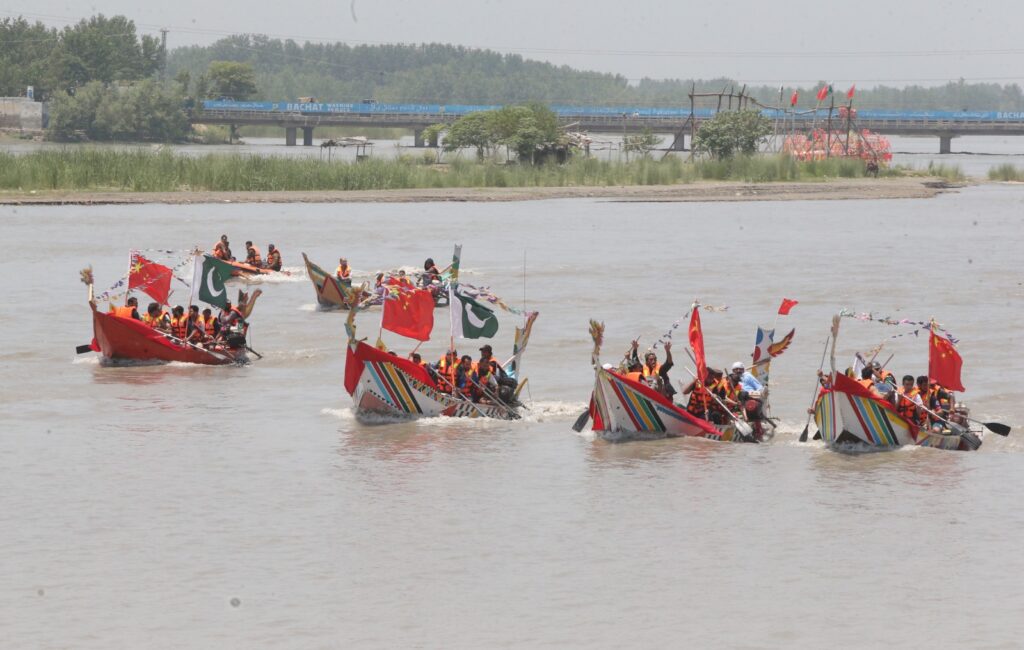 Another major challenge was the fast-flowing water of the Kabul River. At Sardaryab, the speed and condition of the river made safety the most important concern. Several voices advised caution, but after detailed planning, rescue arrangements and support from the district administration, the organizers decided to move forward with all possible precautions. Since traditional dragon boats were not available in Pakistan, local boats were modified and prepared for the competition. Each boat was inspected, safety issues were reviewed and Rescue 1122 was taken on board from the very beginning. The selection of the date was also crucial. June 14 was finalized because seasonal flooding was expected after June 15, making it difficult to organize such an event for at least two months. The decision was therefore taken after considering the weather, river conditions, safety requirements and administrative arrangements.
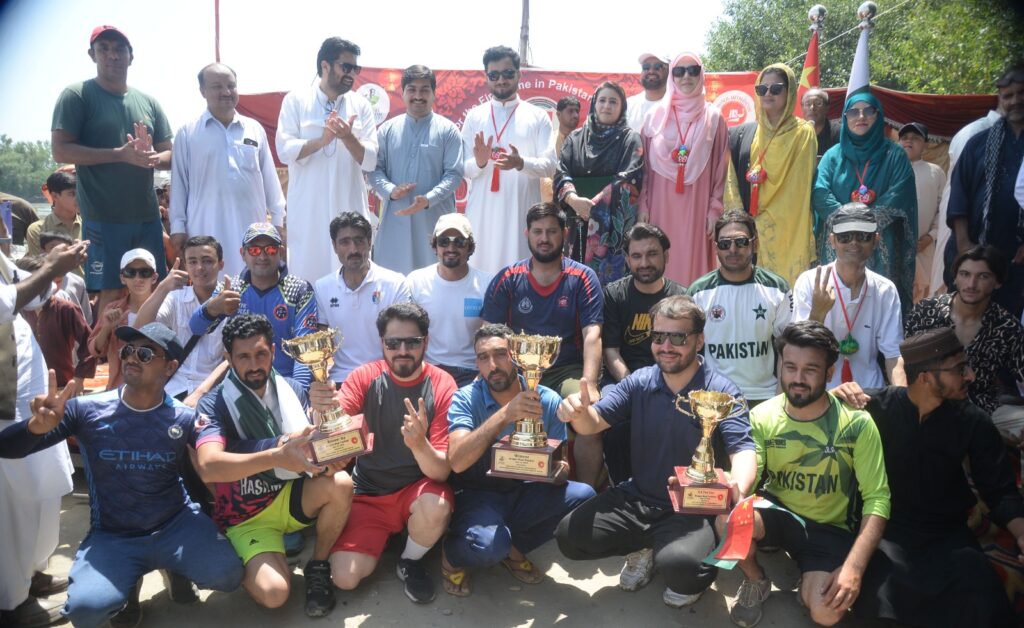 China Window held several meetings with the Commissioner Peshawar, Deputy Commissioner Charsadda, District Police Officer Charsadda, Rescue 1122, Additional Deputy Commissioner and other relevant departments. The police reviewed the venue, entry and exit points, movement of guests, parking, crowd management and safe public presence near the river. Rescue 1122 was requested to remain present at the site with boats, divers, life-saving equipment, ambulances and medical support. Life jackets were purchased for participants, and no rower was allowed to sit in a boat without safety gear. The cooperation of the institutions of the Government of Khyber Pakhtunkhwa played a significant role in the success of the festival. The Khyber Pakhtunkhwa Culture and Tourism Authority recognized the cultural importance of the event and partnered with China Window. Similarly, the Khyber Pakhtunkhwa Sports Directorate extended full support. Mr. Taj Muhammad Tarand, Adviser to the Chief Minister for Sports and Youth Affairs, directed the Sports Directorate to actively assist in the arrangements. This cooperation reflected the provincial government’s commitment to cultural exchange, sports development and Pakistan-China friendship.
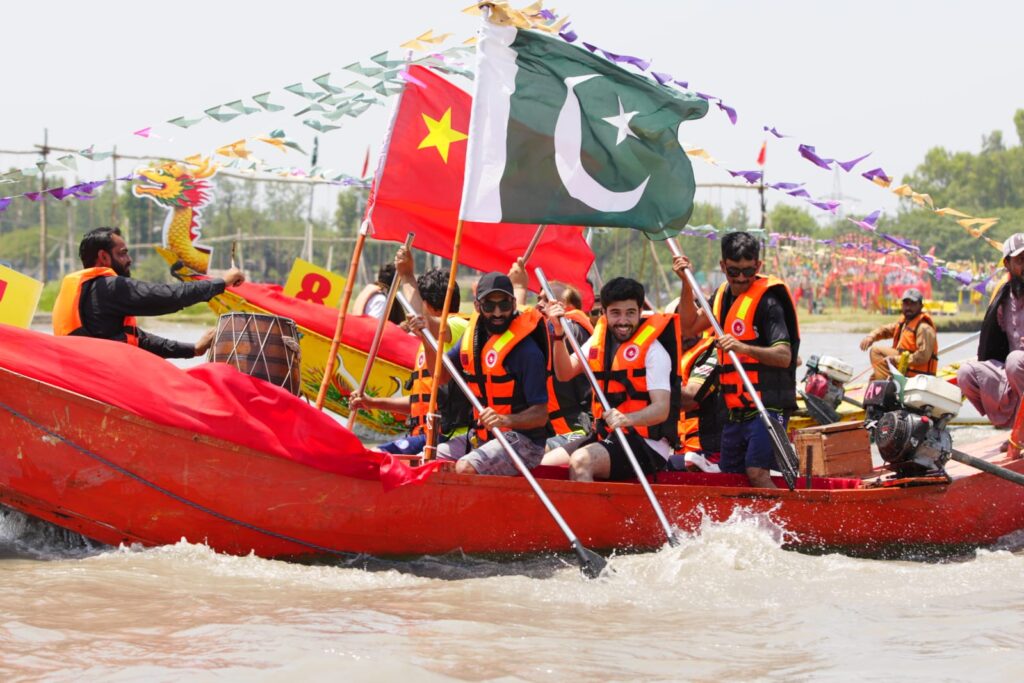
 The registration process for the festival was launched through a Google Form to make participation transparent and organized. The process continued for almost 20 days, during which 114 people registered themselves. A full rehearsal was held on June 13 at Sardaryab, where 90 rowers participated in eight boats. Most of the participants were experiencing dragon boat racing for the first time. They were briefed on safety rules, rowing discipline, teamwork, boat movement and the race format. The rehearsal helped the organizers finalize teams, assess river conditions and review practical arrangements.
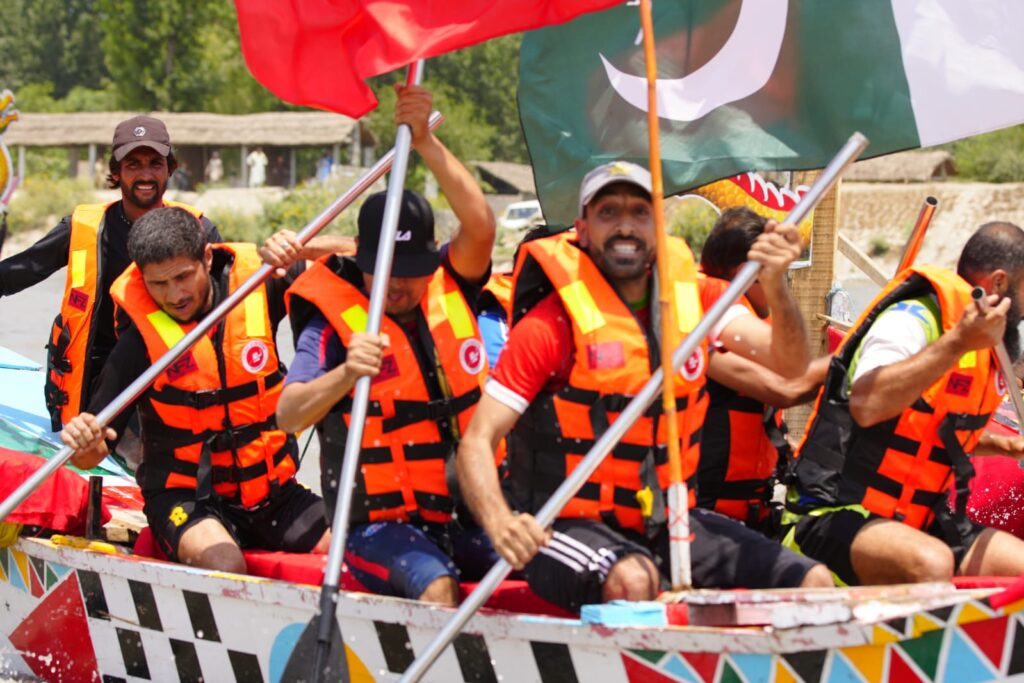
On the day of the festival, a large number of local boatmen and rowers also reached Sardaryab and were included in the competition. Each boat consisted of six rowers, one drummer and one experienced boat expert. The drummer added the traditional spirit of the Dragon Boat Festival, while the experienced boatman ensured safety and technical guidance. Two races were organized, with eight boats participating in each race, followed by a final round. Although the original plan was to award trophies to the first, second and third position holders, it was later decided to declare all teams joint winners in order to encourage participation and appreciate their courage. This decision reflected the true spirit of the festival: friendship, teamwork, participation and cultural harmony.
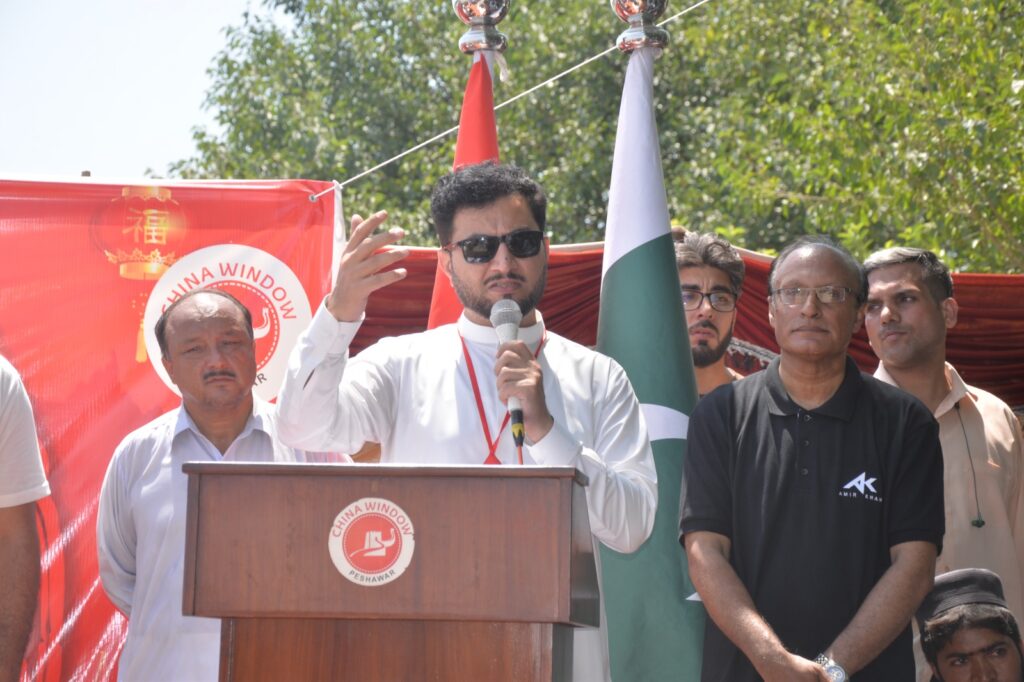
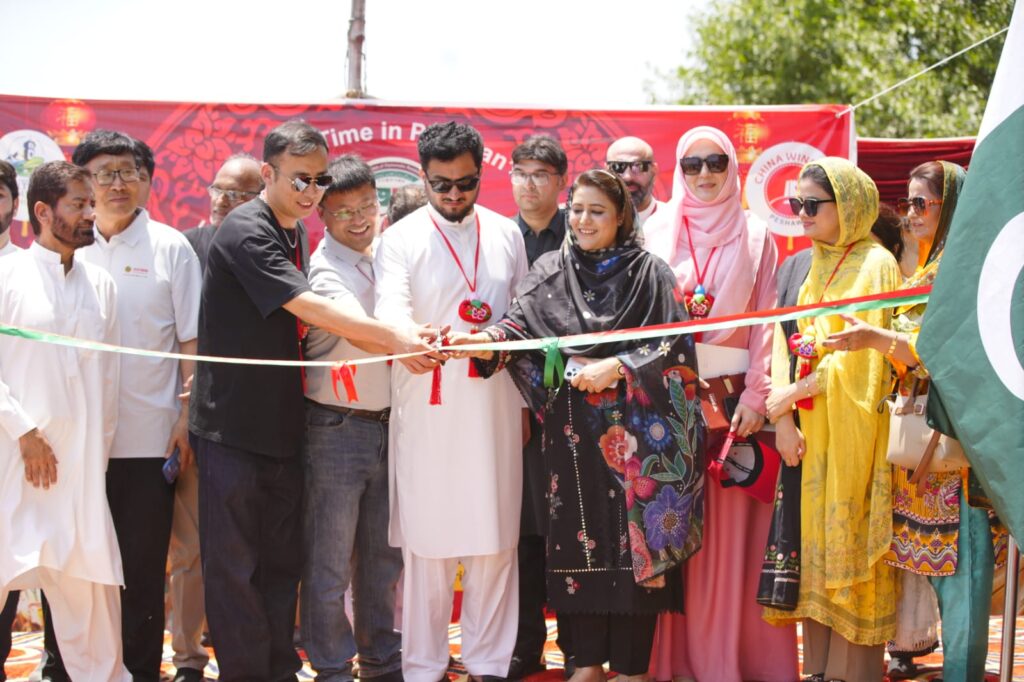 The Chief Guest of the ceremony was Mr. Malik Adeel Iqbal, Special Assistant to the Chief Minister of Khyber Pakhtunkhwa for Culture and Tourism. The presence of two provincial ministers further added to the importance of the occasion. In his address, Mr. Amjad Aziz Malik, Administrator of China Window, described the festival as a proud moment in the history of Pakistan-China friendship. He said the Dragon Boat Festival was not merely a sport or cultural activity, but an expression of everlasting friendship, mutual respect and cultural harmony between Pakistan and China. He emphasized that Pakistan-China friendship has grown stronger over the past 75 years and is now deeply rooted not only at the government level but also in the hearts of the people.
Mr. Amjad Aziz Malik described China Window as a cultural bridge between Pakistan and China, working to promote public contacts, cultural exchange and awareness about China’s history, culture, development and progress. He thanked the Government of Khyber Pakhtunkhwa, Khyber Pakhtunkhwa Culture and Tourism Authority, Sports Directorate, district administration, police, Rescue 1122, media, volunteers, local boatmen, participants and the China Window team for making the event possible. He also expressed special gratitude to His Excellency Mr. Chen Peng, Counsellor for Culture at the Embassy of the People’s Republic of China in Pakistan, for his encouragement and confidence in the initiative.
 In his address, Chief Guest Mr. Malik Adeel Iqbal congratulated China Window for organizing the first Dragon Boat Festival in Pakistan. He said the festival represents more than 2,000 years of history, patriotism, cultural heritage, national unity, discipline and teamwork. He observed that just as rowers in a dragon boat move their paddles in the same rhythm, nations also need unity, cooperation and shared commitment to move forward. He also highlighted the cultural and tourism potential of Khyber Pakhtunkhwa and said that such international cultural activities can project a positive image of the province.
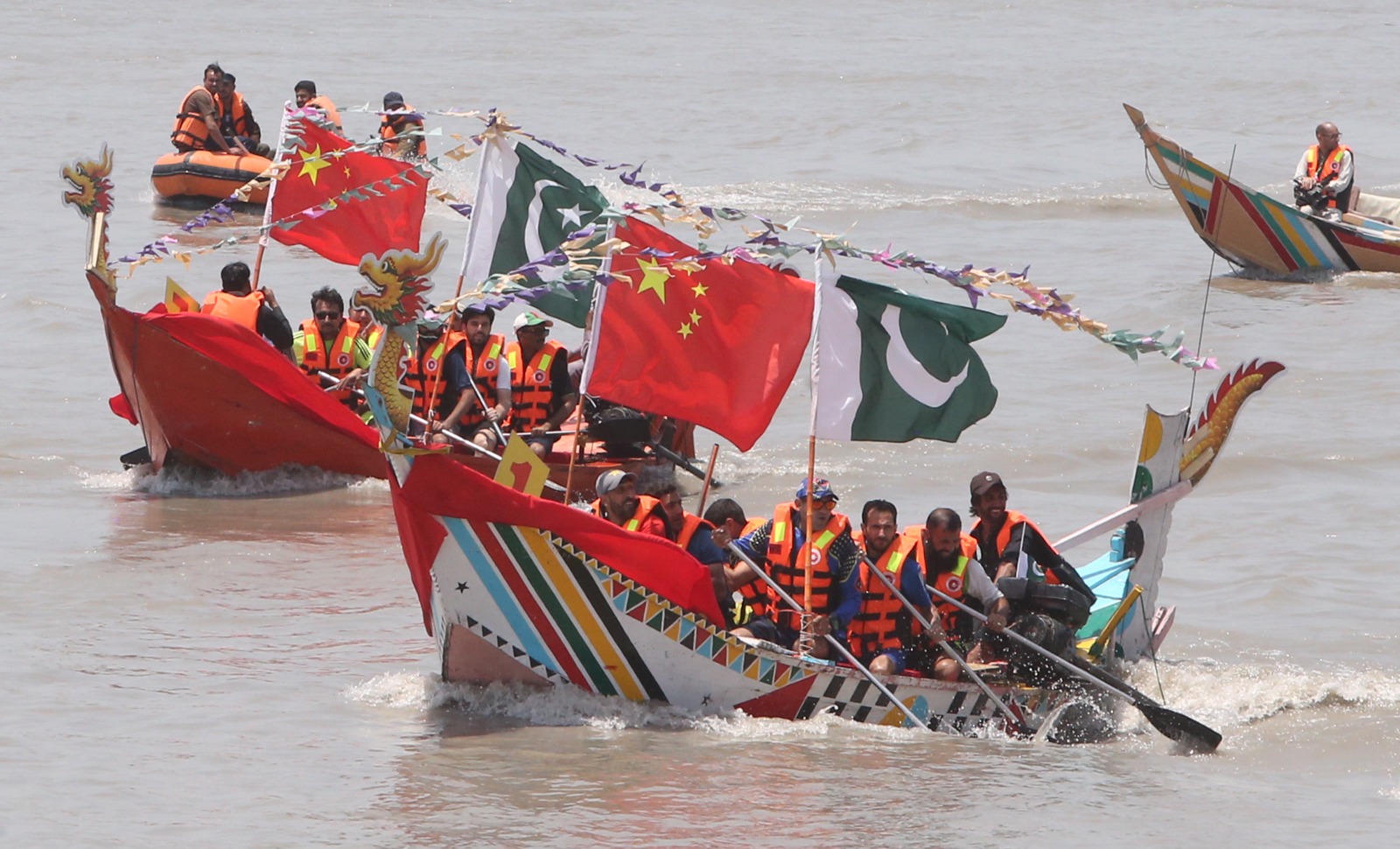
One of the major achievements of the festival was its extensive media coverage. National television channels, newspapers, news agencies, digital platforms, social media pages, photographers and vloggers gave prominent coverage to the historic event. The colourful boats, sound of drums, flags of Pakistan and China, scenic beauty of the Kabul River, enthusiasm of the rowers and public participation gave the festival strong visual and news value. Newspapers described it as Pakistan’s first Dragon Boat Festival, a historic activity on the Kabul River and a new chapter in Pakistan-China friendship. Digital and social media carried the message beyond Pakistan and further enhanced the positive impact of the event.
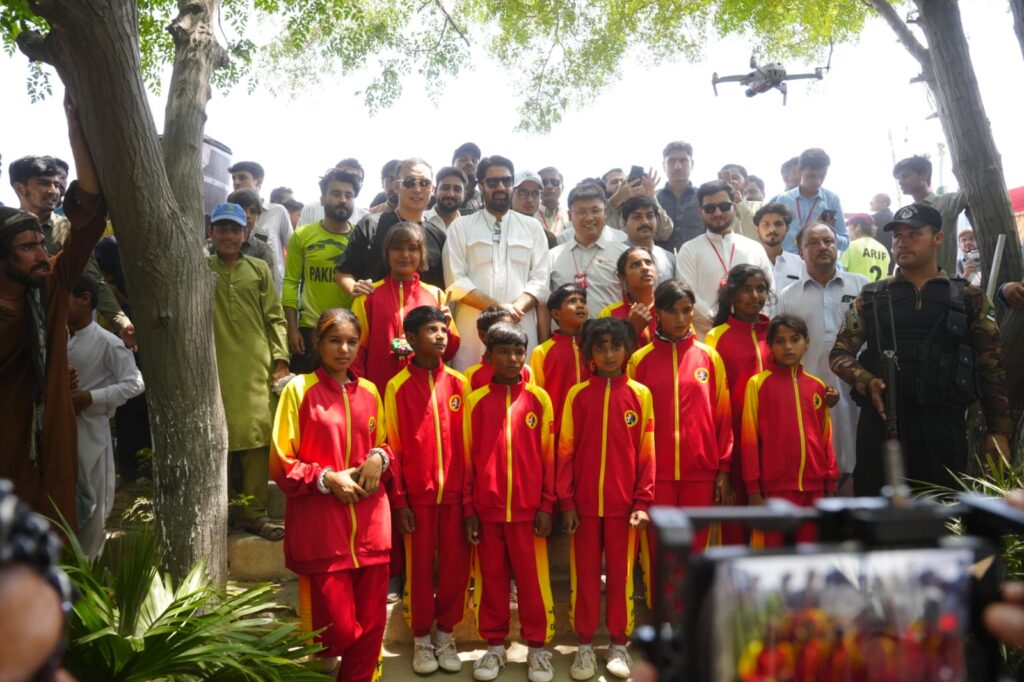
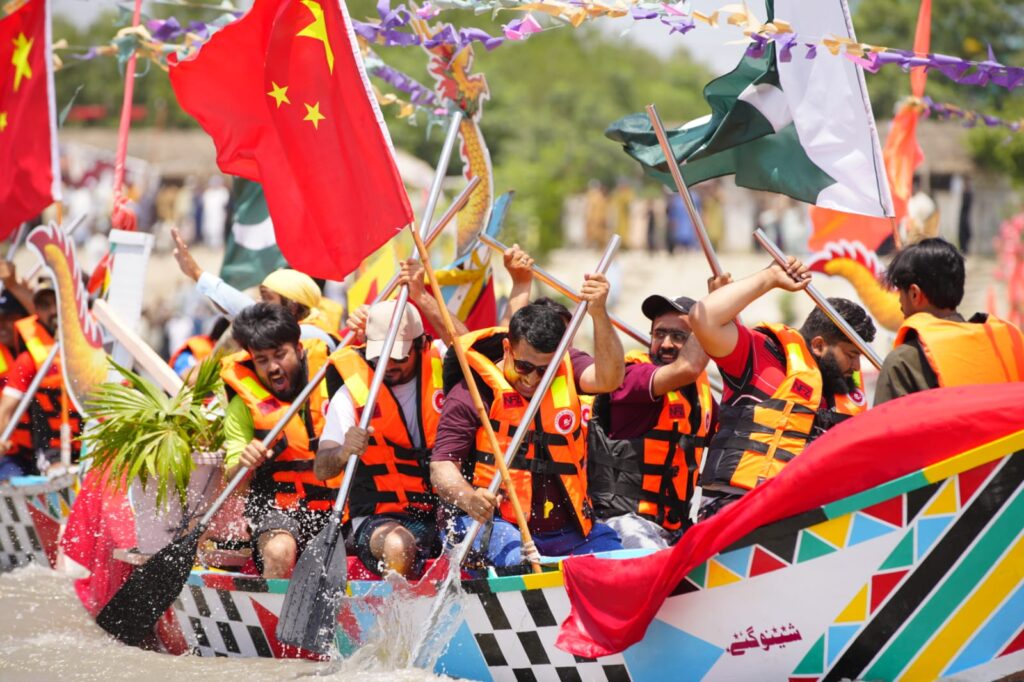 Public participation was also highly encouraging. A large number of people gathered at Sardaryab and, for the first time, witnessed a Chinese cultural tradition being celebrated live on Pakistani soil. The presence of government representatives, sports teams, students, media persons, cultural performers, local boatmen, volunteers and families transformed the festival into a vibrant public gathering. The inclusion of local boatmen connected a Chinese tradition with Pakistani river culture and gave the event local ownership and acceptance.
The Dragon Boat Festival also projected a positive cultural image of China in Pakistan. Through the event, the public saw China not only as an economic power or strategic partner, but also as a civilization with rich history, deep traditions, colourful festivals and strong social values. The festival proved that culture reduces distances, brings hearts closer and gives friendship a strong public foundation.
The event has also opened several possibilities for the future. It can be made an annual cultural and sporting event in Khyber Pakhtunkhwa. In the coming years, it can be organized on a larger scale with proper dragon boats, stronger safety arrangements, wider team participation, cultural performances, food stalls, exhibitions and tourism activities. Dragon boat racing can also be promoted as a new water sport in Pakistan, especially in areas with rivers and lakes. Training programs, coaching sessions, exchange visits and technical guidance from China can further support its development.
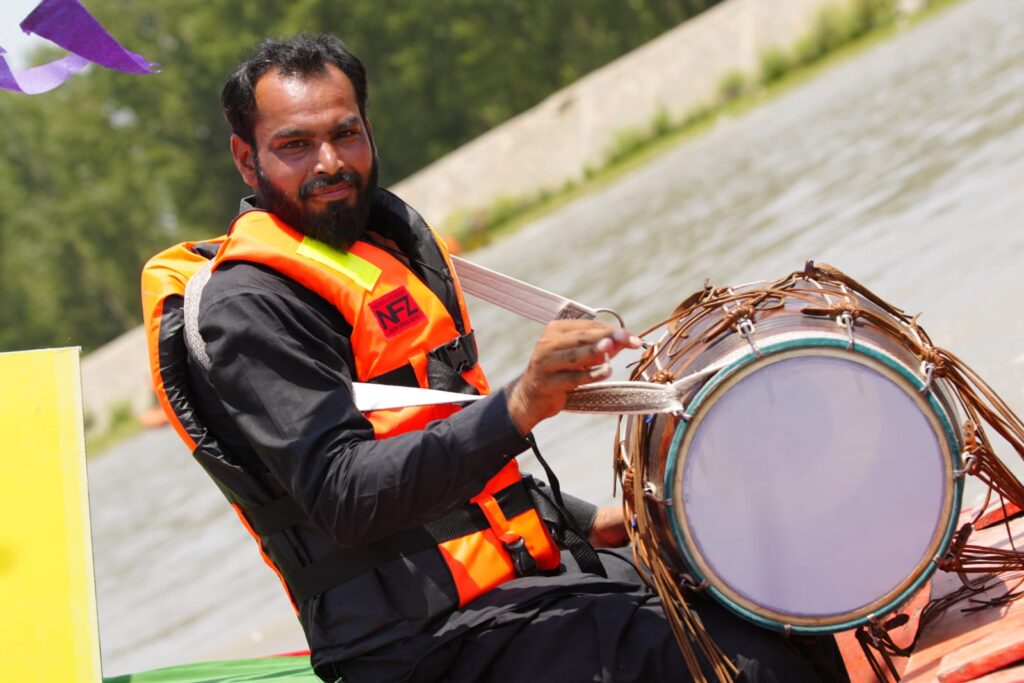 Educational institutions and youth organizations can also be made an important part of future festivals. The participation of schools, colleges, universities, sports clubs and youth groups can carry the message of Pakistan-China friendship to the next generation. For students of Chinese language, sports, tourism and media, the festival can become a practical cultural and educational experience.
The Dragon Boat Festival on the Kabul River is clear evidence that cultural diplomacy is not limited to official statements and formal meetings. It becomes stronger and more meaningful through public participation, shared experiences, sports, culture, media and emotional connection. Through this festival, China Window Peshawar has written a new chapter in the history of Pakistan-China friendship. The need now is to transform this historic initiative into an annual tradition, so that the journey of friendship, culture and cooperation on the waters of the Kabul River continues with renewed spirit every year.