By:Amjad Aziz Malik
High-level meetings with Prime Minister Shehbaz Sharif, Field Marshal Syed Asim Munir and Deputy Prime Minister Ishaq Dar underscore the importance of political engagement, strategic cooperation, economic development and people-to-people relations.
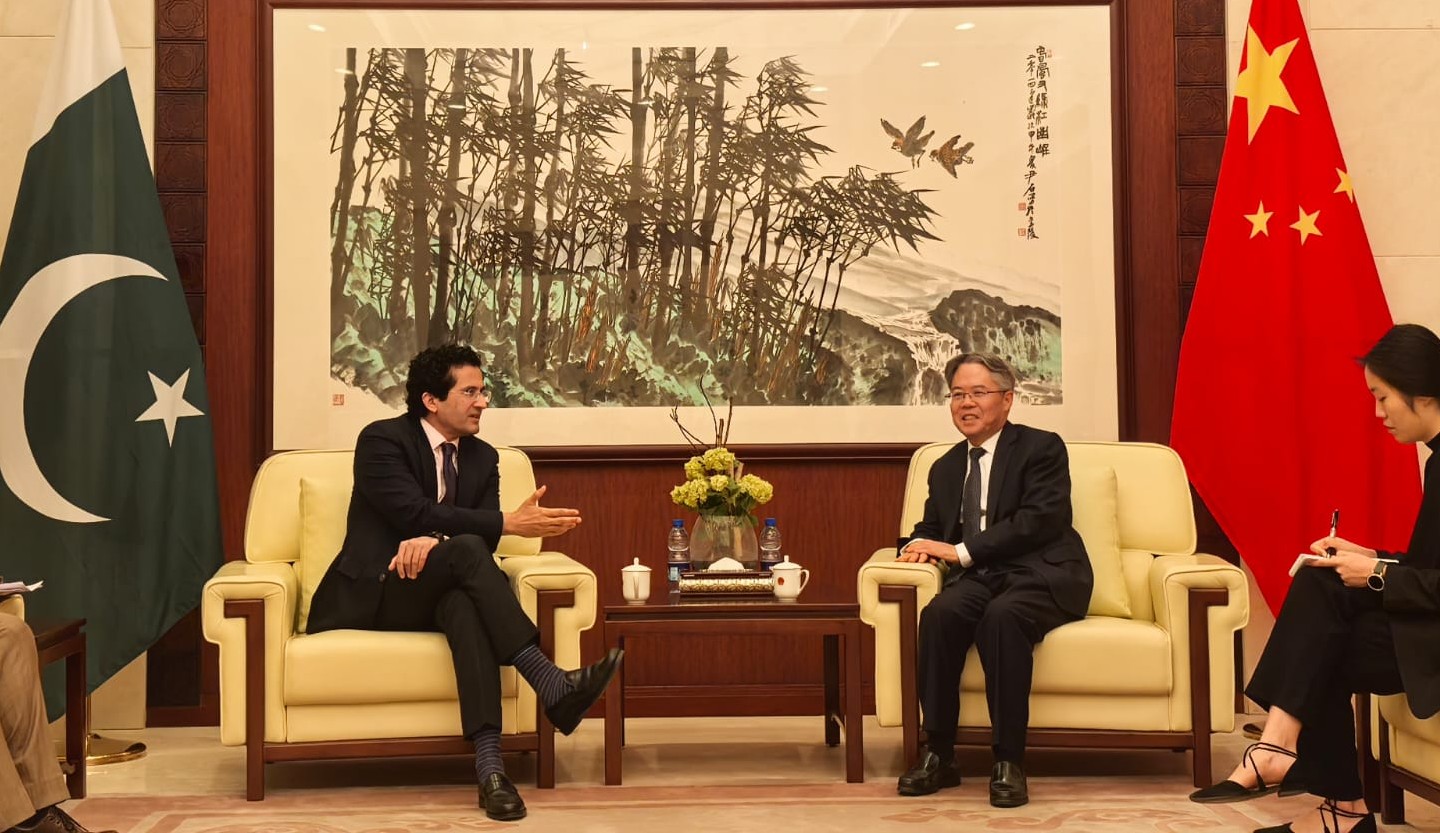
Pakistan and China share one of Asia’s most enduring bilateral relationships, built on more than seven decades of diplomatic engagement, mutual trust, strategic cooperation and strong public goodwill. What began as a relationship between two neighbouring countries has gradually evolved into a comprehensive partnership encompassing diplomacy, defence, economic development, infrastructure, education, culture and regional connectivity. Against the backdrop of shifting global political dynamics, growing regional security challenges and increasing economic interdependence, the official visit of Liu Haixing, Minister of the International Department of the Communist Party of China (CPC) Central Committee, to Pakistan carries considerable diplomatic and strategic significance. The three-day visit, which began on November 1, 2026, at the invitation of Pakistan’s Deputy Prime Minister and Foreign Minister Senator Mohammad Ishaq Dar, provided an opportunity for both countries to reaffirm their longstanding friendship and explore ways of translating political goodwill into meaningful cooperation. During his visit, the senior Chinese official held separate meetings with Prime Minister Muhammad Shehbaz Sharif, Chief of Defence Forces and Chief of Army Staff Field Marshal Syed Asim Munir, and Deputy Prime Minister Ishaq Dar. The discussions reflected the multidimensional character of Pakistan-China relations, covering political engagement, strategic cooperation, regional security, economic development and cultural exchanges.
 Pakistan and China established diplomatic relations on May 21, 1951. Over the following 75 years, their relationship developed into what both governments frequently describe as an all-weather strategic cooperative partnership. The relationship has demonstrated remarkable continuity despite changes in political leadership, evolving regional circumstances and significant transformations in the international order. China has remained a major partner in Pakistan’s infrastructure development, energy sector, defence cooperation and industrial ambitions, while Pakistan has consistently supported the development of closer bilateral ties. However, the significance of this partnership extends beyond government-to-government relations. Public goodwill, cultural exchanges, educational cooperation and increasing interaction between business communities have contributed to its durability. Liu Haixing’s visit, taking place during the 75th anniversary year of diplomatic relations, provided an opportunity to assess the achievements of the past and identify priorities for the future.
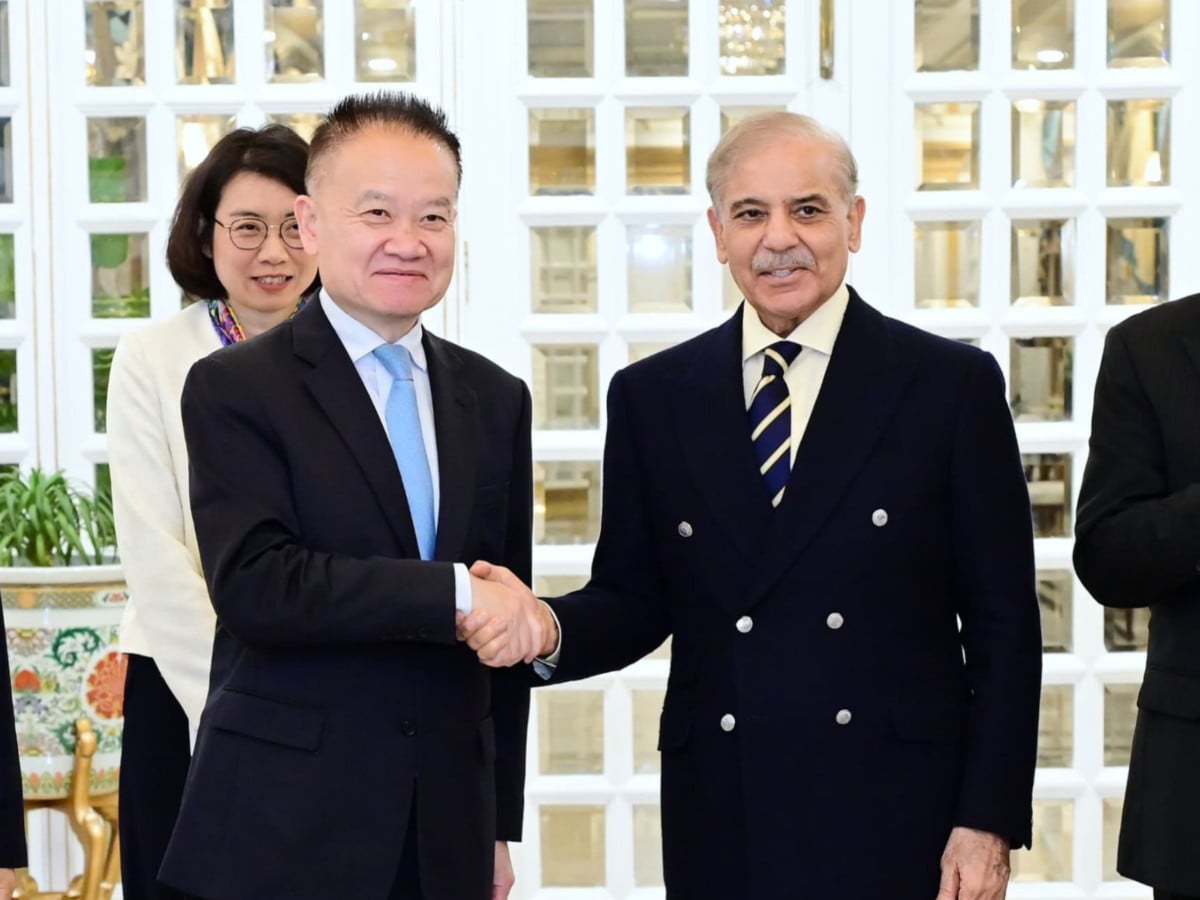
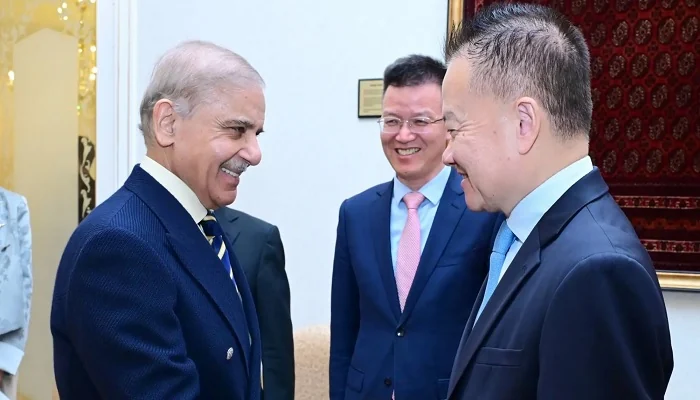
During his meeting with Prime Minister Shehbaz Sharif on November 2, Liu Haixing discussed ways to strengthen bilateral relations and expand cooperation in areas of mutual interest. The Pakistani prime minister reaffirmed the importance of the longstanding friendship between the two countries and emphasised the need for sustained high-level engagement, institutional cooperation and stronger relations between political organisations. The discussions also highlighted opportunities in trade, investment, infrastructure development, information technology, agriculture and economic connectivity. The Chinese minister conveyed goodwill from his country’s leadership and reaffirmed China’s commitment to maintaining close relations with Pakistan.
The meeting was particularly significant in the context of Pakistan’s ongoing efforts to achieve economic stability, attract foreign investment, modernise its industrial sector and create employment opportunities. China’s experience in industrial transformation, technological advancement and infrastructure development offers important lessons for Pakistan. Nevertheless, adapting these experiences to Pakistan’s economic circumstances requires careful planning, institutional reforms and sustained implementation. The long-term value of bilateral economic cooperation will depend not only on investment commitments but also on their ability to generate sustainable employment, improve productivity, encourage technology transfer and strengthen Pakistan’s export capacity.
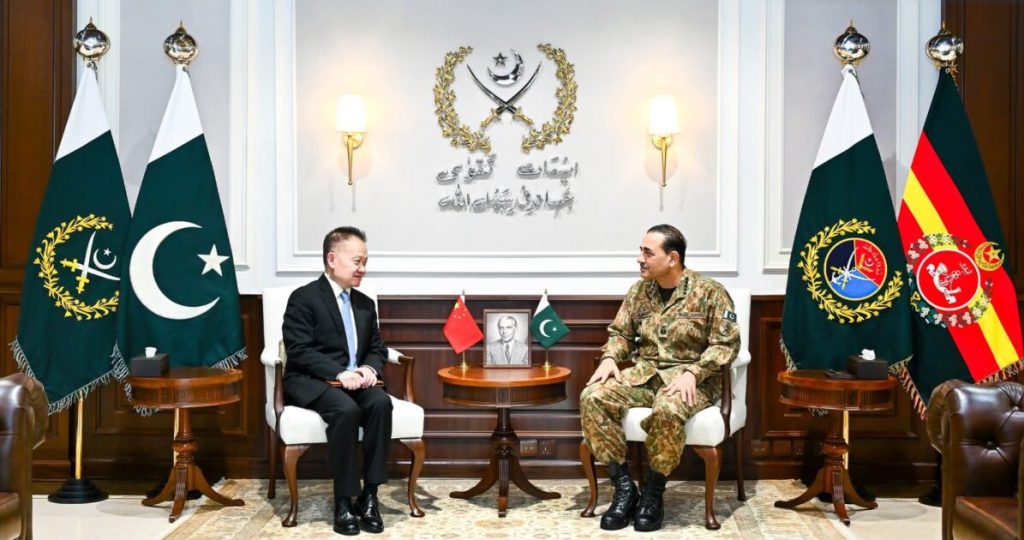 Another important engagement during the visit was Liu Haixing’s meeting with Field Marshal Syed Asim Munir at General Headquarters in Rawalpindi. According to the military’s public communications, the discussions covered matters of mutual interest, the evolving regional and international security environment and bilateral cooperation. Field Marshal Asim Munir highlighted the longstanding and trusted relationship between Pakistan and China, stressing the importance of continued high-level engagement and institutional coordination. The Chinese minister acknowledged Pakistan’s efforts towards regional peace and stability and reaffirmed the importance of the strategic partnership. Defence cooperation has remained a central component of Pakistan-China relations for decades. The two countries have collaborated in military training, defence technology and equipment development, including joint projects that have become important symbols of their strategic relationship. At a time when South Asia faces complex security challenges, sustained communication between Pakistan and China is particularly relevant.
Developments in Afghanistan, cross-border security concerns, terrorism and the protection of economic infrastructure remain important elements of the broader regional security environment.While the publicly released account of the meeting did not provide detailed discussions of every regional issue, the engagement demonstrated the importance both countries attach to strategic dialogue and institutional cooperation.
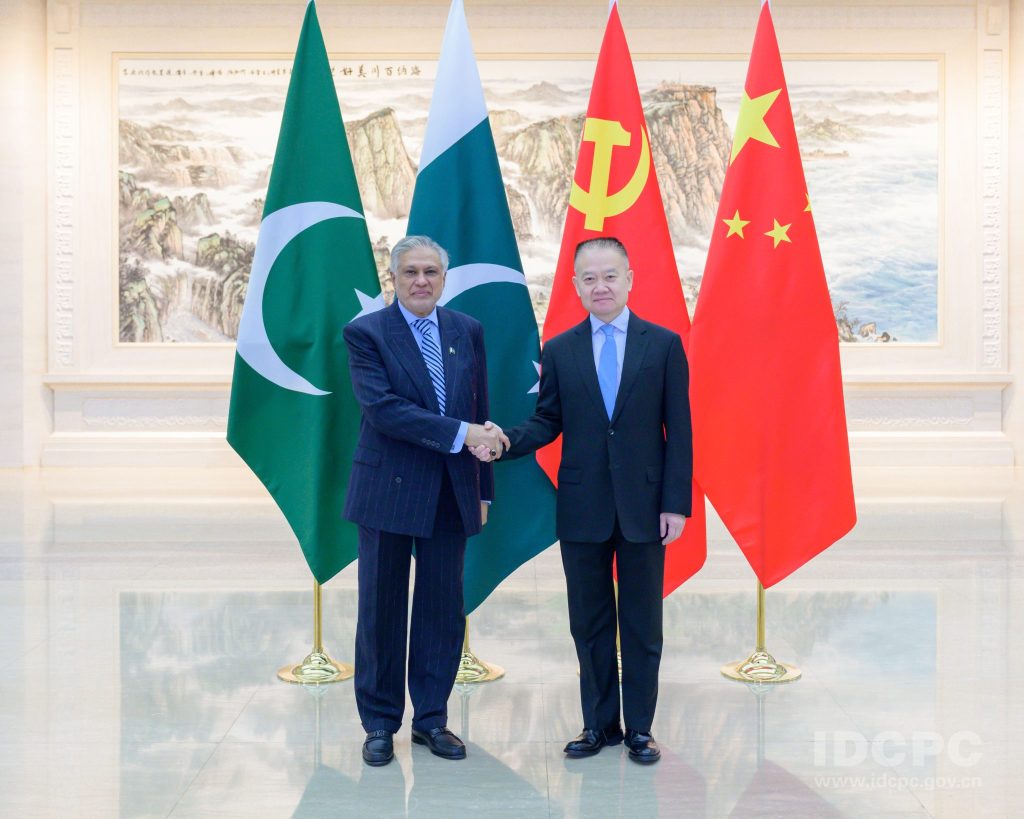
Liu Haixing’s meeting with Deputy Prime Minister and Foreign Minister Ishaq Dar brought another important dimension of the bilateral relationship into focus: cultural exchanges and people-to-people cooperation. Both sides discussed ways to strengthen cultural interaction, expand public engagement and maintain close political communication. The Chinese minister conveyed greetings from Chinese Foreign Minister Wang Yi, while Ishaq Dar expressed goodwill towards President Xi Jinping on behalf of Pakistan’s leadership. The discussions reflected a growing recognition that modern international partnerships cannot rely exclusively on diplomatic negotiations, defence cooperation or commercial agreements. Long-term friendship also requires meaningful interaction among ordinary citizens.
 Students, academics, journalists, artists, entrepreneurs, researchers and cultural organisations can serve as important bridges between societies. Educational scholarships, language programmes, university partnerships, cultural festivals and professional exchanges can help younger generations understand each other’s societies and strengthen the foundations of bilateral cooperation. In this respect, the emphasis on cultural diplomacy during the visit was particularly relevant.
The China-Pakistan Economic Corridor (CPEC), a flagship initiative under China’s Belt and Road Initiative, remains one of the most prominent expressions of bilateral economic cooperation. Its initial phase focused largely on energy projects, transport infrastructure and connectivity. The next phase places greater emphasis on industrial cooperation, agricultural modernisation, special economic zones, technological development and broader economic participation.
For Pakistan, the challenge is to ensure that these initiatives contribute to sustainable economic growth and deliver measurable benefits to businesses and communities. Special attention should be given to small and medium-sized enterprises, industrial skills development, export-oriented manufacturing and the introduction of modern agricultural technologies. Khyber Pakhtunkhwa, with its geographical position, mineral resources, agricultural potential and growing youth population, could benefit from expanded cooperation in industrial development, tourism, vocational education and technology. However, realising these opportunities requires consistent policies, reliable infrastructure, effective coordination and an investment environment capable of attracting long-term business commitments. Pakistan’s economic partnership with China should increasingly focus on productive capacity, technology transfer, human resource development and greater participation by the private sector.
One of the distinctive aspects of Liu Haixing’s visit is the institution he represents. The International Department of the CPC Central Committee plays an important role in maintaining relations with political parties and organisations around the world. His visit therefore represented more than a conventional diplomatic engagement. It also highlighted the role of political party dialogue in strengthening international relationships. Political exchanges can provide opportunities to discuss governance, economic planning, institutional development and social progress. Pakistan’s major political parties have historically supported close relations with China, despite differences on domestic political issues.This broad continuity has helped maintain bilateral engagement across successive governments.Expanding structured exchanges between political institutions could contribute to greater understanding of development policies, economic governance and long-term planning. At the same time, successful cooperation requires respect for each country’s political system, institutional framework and national priorities.
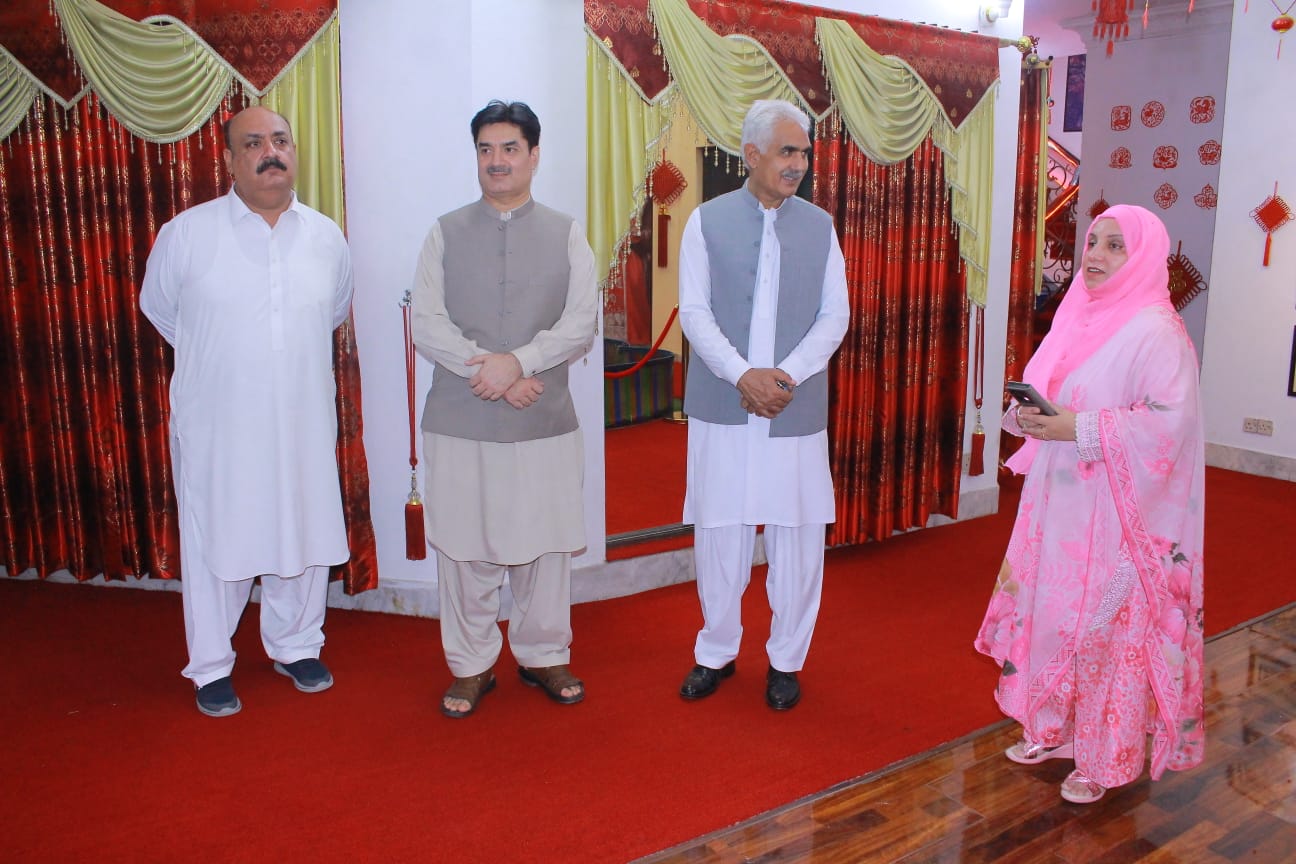
The year 2026 marks the 75th anniversary of diplomatic relations between Pakistan and China, offering an opportunity to reflect on the future direction of the partnership. While political and defence cooperation have traditionally received considerable attention, education and cultural understanding are becoming increasingly important. Pakistan’s young population represents a major opportunity for expanded collaboration in language education, technical training, scientific research, entrepreneurship and digital technologies. Chinese universities and educational institutions can contribute through scholarships, academic exchanges, joint research initiatives and professional development programmes. Likewise, cultural institutions in Pakistan can play a valuable role in introducing Chinese history, language, traditions and contemporary development to local communities. One such initiative is China Window, the Chinese Cultural and Information Centre in Peshawar.
Established to promote mutual understanding and cultural interaction, China Window has undertaken activities including Chinese language courses, cultural exhibitions, educational programmes and public awareness initiatives. Its efforts demonstrate how local institutions can complement official diplomacy by creating opportunities for direct engagement between people. The emphasis placed on cultural cooperation during Liu Haixing’s visit suggests that institutions working at the grassroots level could become increasingly relevant to the broader Pakistan-China partnership. Strengthening cooperation among universities, cultural centres, media organisations and youth institutions would help ensure that bilateral relations remain meaningful for future generations.
The visit of Liu Haixing illustrates the depth and continuity of Pakistan-China relations at a time of considerable regional and international uncertainty.His meetings with Pakistan’s civilian and military leadership highlighted the importance both countries attach to sustained political dialogue, strategic coordination, economic cooperation and cultural understanding.Yet the lasting significance of high-level diplomatic visits is ultimately determined by what follows them.Joint statements and expressions of goodwill provide a foundation, but meaningful progress requires practical implementation, institutional follow-up and measurable outcomes.For Pakistan, the central priority should be to translate its close relationship with China into stronger industrial capacity, improved education, modern agriculture, greater technological capability and sustainable employment. For China, a stable and economically resilient Pakistan remains an important partner in regional connectivity, trade and long-term cooperation. The relationship will be strengthened further when its benefits are increasingly visible in the everyday lives of ordinary citizens.
Liu Haixing’s visit to Pakistan comes at an important moment in the history of bilateral relations. Seventy-five years after the establishment of diplomatic ties, Pakistan and China have developed a partnership characterised by continuity, mutual respect and extensive cooperation. The meetings in Islamabad and Rawalpindi reaffirmed the importance of this relationship while drawing attention to the need for deeper engagement in emerging economic, technological and cultural fields. The next chapter of Pakistan-China relations should be defined not only by the strength of diplomatic friendship but also by the effectiveness of joint efforts to promote development, knowledge-sharing and public prosperity. A durable partnership requires strong institutions, active economic cooperation and sustained engagement between societies.